
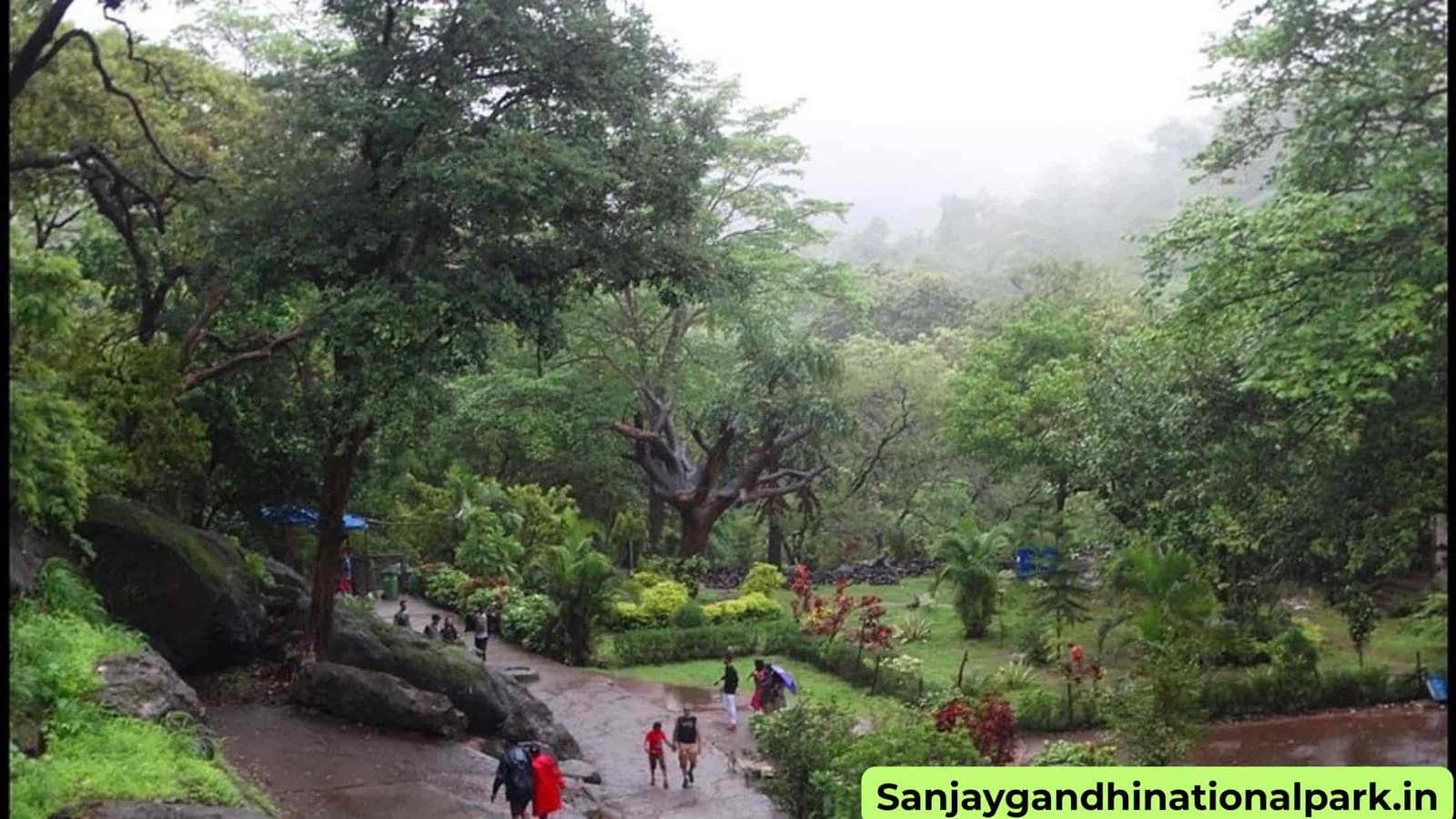
Last updated: November 2026. Fees and schedules at SGNP change often, so confirm at the ticket counter or on the official website (sgnp.maharashtra.gov.in) before you go.
Most first-time visitors to Sanjay Gandhi National Park (SGNP) make the same mistake. They arrive at 1 PM, buy an entry ticket, and then discover that the park is bigger than they expected, the best attraction is several kilometres inside, and the afternoon queues are long. They leave tired, having seen only half of what they came for.
This guide is meant to prevent that. It covers what is inside the park, what each part costs in time and money, which attractions are worth it and which are optional, and how to build a day around your own interests. It has been compiled by cross-checking the official park information, visitor reports and recent news coverage.
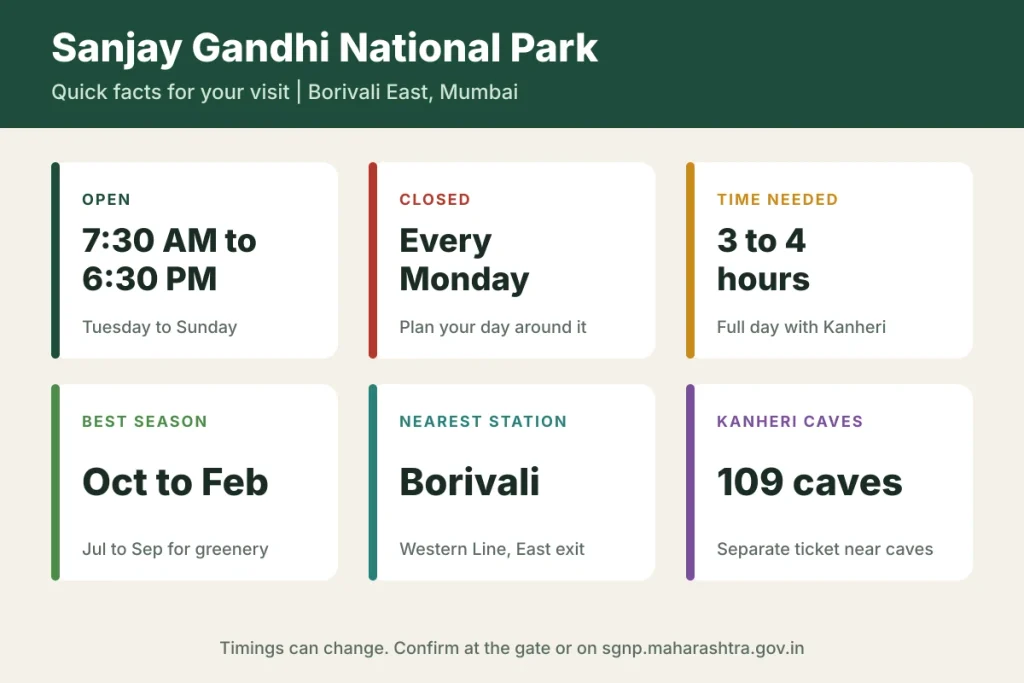
Quick Facts
| Location | Borivali East, Mumbai (entrance off the Western Express Highway) |
| Area | Roughly 87 sq km of protected forest inside Mumbai |
| Park timings | 7:30 AM to 6:30 PM (some sources list 6:00 PM). Closed on Mondays |
| Kanheri Caves | Roughly 7:30 or 9:30 AM to 5:30 PM, ticketed separately |
| Time needed | 3 to 4 hours for the main attractions, a full day if you add the caves properly |
| Best season | October to February for comfort, July to September for greenery |
| Nearest station | Borivali (Western Line) |
How Much Does It Cost?
Different websites quote different prices because the fees have been revised over the years. The ranges below are what recent sources report. Treat them as a budget guide, not a final price.
| Item | Approx. cost |
|---|---|
| Entry, adult | ₹85 to ₹94 |
| Entry, child (5 to 12 years) | ₹45 to ₹50 |
| Child under 5 | Free |
| Two-wheeler entry | About ₹81 |
| Car entry | About ₹316 |
| Still camera | An additional fee may apply |
| Kanheri Caves, Indian visitor | ₹15 to ₹25 |
| Kanheri Caves, foreign visitor | Roughly ₹200 to ₹300 |
| Cycle rental inside the park | Around ₹80 for 2 hours |
| Lion and tiger safari | Roughly ₹60 to ₹110 per adult (reports vary widely) |
Two things are often missed. First, the vehicle fee is charged per vehicle on top of each person’s entry. Second, the Kanheri Caves ticket is sold near the caves, not at the main gate, and it is separate from your park ticket. Tickets for the safari, boating and the Kanheri shuttle are bought at their own counters.
A family of four going by car and doing everything should plan for a noticeably larger bill than the entry fee alone suggests.
How to Reach
By train: Get off at Borivali station on the Western Line and take the East side exit. The park gate is a short auto ride from the station, or a longer walk.
By road: The entrance is directly off the Western Express Highway at Borivali East. Parking is available near the gate. On weekends the gate area gets crowded by late morning, so arriving early helps.
What Is Inside, and What Is Worth Your Time
1. Kanheri Caves (the one thing you should not skip)
If you do only one thing inside SGNP, make it this.
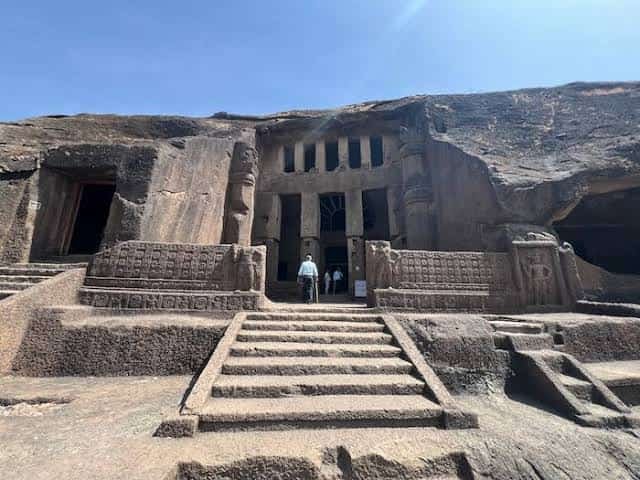
Kanheri is a complex of 109 caves cut into a single basalt hill known as Krishnagiri, meaning “black mountain.” The caves were carved over many centuries, from roughly the 1st century BCE through about the 9th to 11th centuries CE. The site functioned as a major Buddhist monastic and learning centre, and you can see the style change as you walk from one cave to the next.
What to look for:
- Cave 3 is the main chaitya, the large prayer hall, with rows of carved pillars and a stupa at the far end. It is the only chaitya among the 109 caves. The rest are viharas, the living quarters of monks.
- Cave 11 is a distinctive hall used for Mahayana Buddhist rituals. The only close parallel usually cited is Cave 5 at Ellora.
- Caves 2, 34, 41, 67, 87 and 90 are commonly listed as the other must-sees for sculpture and architecture.
- The water system is easy to overlook. The monks built channels and rock-cut cisterns to collect monsoon rain for a large resident community. Look for the channels cut along the rock faces and the cisterns outside many caves.
- Sculpture, including large Buddha figures and a notable Avalokiteshwara figure.
Getting there: The caves are roughly 6 to 7 km inside the park from the main gate. You can take the shuttle bus from the gate, hire a cycle, or drive in if vehicles are allowed that day. The last stretch involves steps and slopes, so wear shoes with good grip. Plan on 1.5 to 2 hours at the caves.
An honest warning: There is very little explanatory signage at the individual caves. If you walk in without reading anything beforehand, many caves will look like empty stone rooms. Read about the site first, or join one of the guided heritage walks that are run periodically, and the same caves become far more interesting.
2. Lion and Tiger Safari
This attraction has the most mixed feedback, so set your expectations before you pay.
It is a ride in a caged bus through fenced enclosures. The lion area is roughly 12 hectares and the tiger area roughly 20 hectares, with lakes and ponds inside the tiger enclosure. The ride lasts about 20 to 30 minutes. The lion safari dates from the mid-1970s and the tiger safari from 1998.
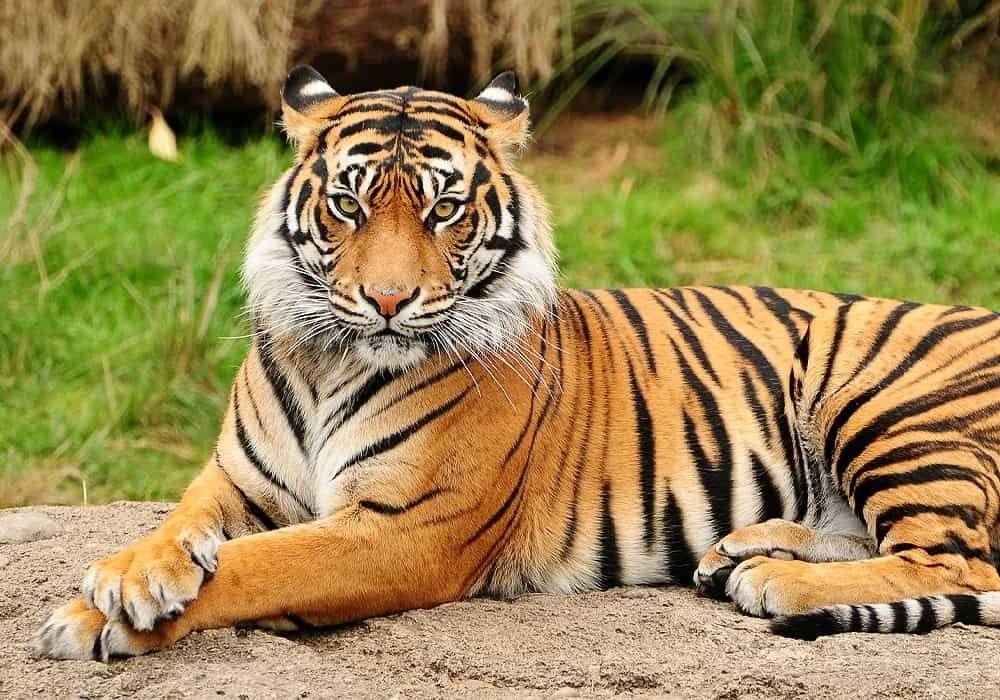
Visitor reports are mixed. Children usually love it, especially if it is their first time seeing a big cat. Some adults find it short and compare it to a zoo drive rather than a true wildlife safari. Sightings depend on the day, and sometimes only a couple of lions are visible even though more live in the enclosure.
Verdict: It is worth it for families with young children. If you are a serious wildlife enthusiast expecting a Tadoba-style safari, this is not that, and you can skip it without missing the park’s real character.
Timings are generally 9 AM to 1 PM and again from about 2:15 PM to 5:30 PM, closed on Mondays. Vehicles sometimes wait for enough passengers, so expect a short wait.
3. Van Rani Toy Train (recently revived)
Van Rani, meaning “Queen of the Forest,” is the park’s toy train. It was out of service for years and was relaunched in March 2026 as a modernised, battery-operated train. Reports from that period mention a technical fault within the first week, after which services resumed.
Because the train has only recently returned, check at the gate whether it is running before you plan your day around it. The ride is short, around 15 to 20 minutes, and loops around the foothills near the Gandhi memorial. It is mainly a children’s attraction, and adults without kids can safely skip it.
4. Boating
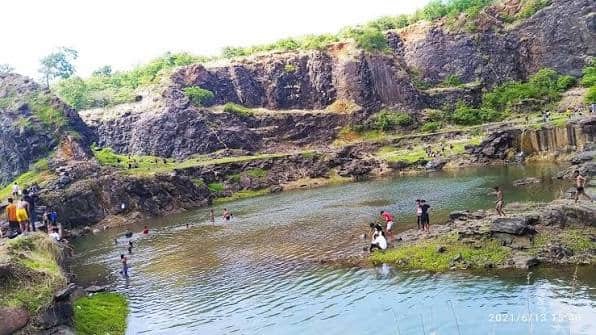
Boating is on the lake at the Dahisar river dam. It is a quiet, low-cost activity and a good place to rest tired legs after the caves or the safari. It is typically open from about 9 AM to 5:30 PM with a lunch break, and closed on Mondays. Tickets are bought at the boating counter.
5. Gandhi Tekdi (Gandhi Hill)
This is a small memorial hill inside the park, with benches at the top. There are no food stalls, so carry your own water and snacks. It is a calm spot for a picnic and a break, and the climb is pleasant in the early morning.
6. Nature Trails and Cycling
The park has more than 10 km of cycling and walking tracks through forest and past lakes. Early morning is the best time, when it is cooler and quieter and the birds are active. If you do not own a cycle, you can rent one at the park. This is the best option for people who want the forest rather than the attractions.
7. Gardens and the Nature Interpretation Centre
The park’s own map lists a butterfly garden, orchidarium, cactus garden, fragrance garden and a nature interpretation centre. These are smaller stops, but they are useful if you have children or an interest in plants and butterflies.
Wildlife: What to Realistically Expect
SGNP is famous for its leopards, which live right beside one of the world’s most crowded cities. That is remarkable, and it is also the reason you should not expect to see one on a normal visit. Leopards are elusive and mostly active at night, and the tourist zone is not where they spend their time.
On a regular day you are far more likely to see spotted deer (chital), bonnet and rhesus macaques, a range of birds, monitor lizards, and butterflies after the rains. Bring binoculars if you enjoy birdwatching, and go early.
Please do not feed the monkeys or deer. It makes them aggressive and dependent on humans, and it is one of the main causes of conflict in the park.
Sample Plans
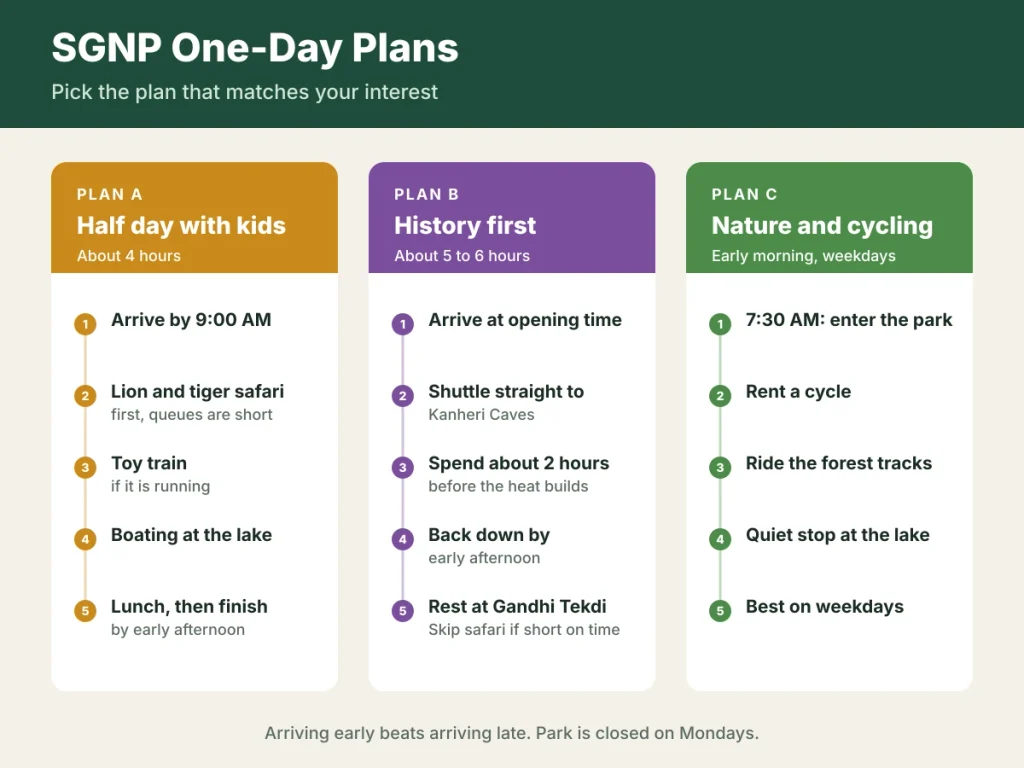
Plan A: Half-day with kids (about 4 hours)
Arrive by 9:00 AM and take the lion and tiger safari first, while the queues are short. Then go to the toy train if it is running, followed by boating. Have lunch outside the park or at the canteen, and finish by early afternoon.
Plan B: History-first day (about 5 to 6 hours)
Arrive at opening time. Take the shuttle straight to Kanheri and spend two hours there before the heat builds. Come back down by early afternoon and rest at Gandhi Tekdi. Skip the safari if you are short on time.
Plan C: Nature and cycling (early morning)
Enter at 7:30 AM, rent a cycle, ride the forest tracks, and finish with a quiet stop at the lake. This works best on weekdays.
Best Time to Visit
- October to February: Cooler and comfortable, best for the caves and cycling.
- March to May: Hot. Go in the first hours after opening, carry plenty of water, and avoid the midday climb to Kanheri.
- June to September (monsoon): The forest is at its greenest and streams run, but paths are slippery. Wear shoes with real grip, and be ready for leeches and sudden downpours. It is not ideal for young children or elderly visitors.
- Weekdays beat weekends by a wide margin. Weekend crowds slow down the safari and the shuttle.
Mistakes to Avoid
- Arriving after noon. You will not have time for both Kanheri and the safari.
- Going on a Monday. The park is closed.
- Wearing slippers or sandals. The Kanheri climb and the monsoon paths are slippery.
- Assuming every attraction is running. Check the toy train and boating at the gate.
- Not carrying water. Food options inside are limited, and Gandhi Tekdi has none.
- Expecting guaranteed wildlife. Go for the forest, caves and walk, and treat any animal sighting as a bonus.
- Carrying plastic. Plastic bags and articles are not allowed in the park.
Rules That Actually Matter
Do not feed or approach animals. Keep noise low and avoid loud music. Do not use flash photography near animals. Stay inside permitted areas and carry your trash out. Check the official rules before bringing a pet, since a national park is not an ordinary public garden.
Who Should and Should Not Go
Go if you want forest and history inside Mumbai without a long journey, you have kids who like animals and trains, you enjoy walking or cycling, or you are interested in Buddhist rock-cut architecture.
Skip or shorten your visit if you expect a true big-cat safari, you dislike climbing steps, or you only have an hour or two to spare.
Frequently Asked Questions
Is Sanjay Gandhi National Park open on Monday?
No. The park is closed on Mondays.
How long does it take to see Kanheri Caves?
About 1.5 to 2 hours at the caves, plus travel time from the main gate.
Is the Kanheri Caves ticket included in the park ticket?
No. It is a separate ticket, sold near the caves.
Is the lion and tiger safari worth it?
For families with young children, yes. For people expecting a wild safari, it may feel like a zoo drive.
Is the Van Rani toy train running?
It was relaunched in March 2026 after a long break, but confirm at the gate on the day you visit.
Can I see a leopard?
Unlikely on a normal visit. The park has leopards, but they are shy and mostly nocturnal.
Can I visit with a car?
Yes, with a vehicle fee. The shuttle or a cycle is easier for the stretch to Kanheri.
What should I carry?
Water, snacks, comfortable shoes with grip, sun protection, and a rain cover in the monsoon.
Sources
- Official park website: sgnp.maharashtra.gov.in
- Maharashtra Tourism (MTDC) pages on Sanjay Gandhi National Park and Kanheri Caves
- Central Zoo Authority record for the SGNP safaris
- Free Press Journal coverage of the Van Rani relaunch, March 2026
Prices and timings are indicative and can change without notice. Always confirm the latest fees at the counter before travelling.